
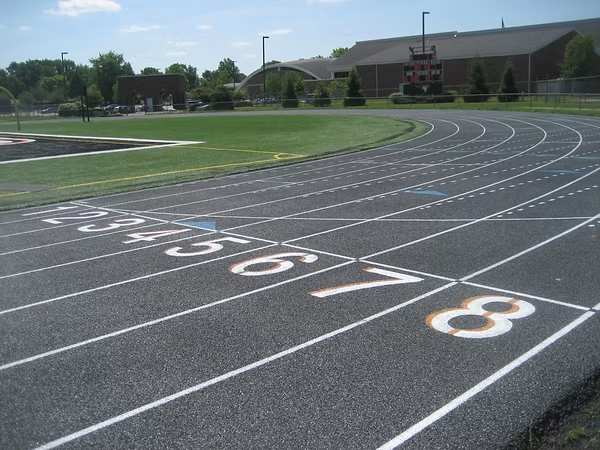
Latex running tracks (often called rubberized latex or latex-binder synthetic tracks) are a type of synthetic track surface that uses a latex binder with rubber granules to create a cushioned, grippy running surface. In the right setting, they can be a cost-effective way to upgrade athlete safety and performance—especially compared with hard, unforgiving asphalt.
Below is a refreshed, more complete version of your post, with clearer buying guidance, practical maintenance notes, and decision-making criteria facility owners actually care about.
What are latex running tracks, exactly?
A latex running track is a synthetic surface system typically made by bonding rubber granules (SBR and/or EPDM) with a latex binder and applying it in layers over a properly prepared base (commonly asphalt). Some latex systems are water-permeable, allowing moisture to drain through the surface.
In practice, “latex track” can mean a few slightly different system builds depending on manufacturer and performance target, so the smarter way to evaluate options is to ask:
- Is it permeable or impermeable?
- What’s the system thickness (and where)?
- What performance standard/certification does it meet?
What benefits do latex running tracks provide for athletes and owners?
Latex running tracks are popular because they can balance athlete comfort with long-term facility value.
They’re easier on the body.
The rubber-and-binder construction provides more shock absorption than asphalt, which can reduce impact stress on joints and soft tissue over repeated training cycles.
They deliver dependable traction.
Properly installed systems provide consistent footing, including in damp conditions—important for safety and for reliable training.
They’re durable when the base and drainage are right.
A synthetic system over a well-built base is typically more stable over time than patch-and-resurface cycles on worn asphalt (where cracks and movement keep returning).
They’re customizable.
You can tailor thickness, color, lane layout, and markings based on use cases (PE classes, competition, multi-sport).
How do latex tracks compare to polyurethane, rubber, and asphalt tracks?
How does a latex-binder track compare to a polyurethane track?
Polyurethane systems are extremely common—especially for higher-level competition—and many are built to meet recognized standards. A key difference is the binder chemistry and how the system is designed to achieve performance targets (force reduction, energy return, tensile strength, etc.). Polyurethane-bound rubber systems are widely used and referenced in materials discussions of track construction.
Facility decision-making often comes down to:
- Upfront cost vs. performance target
- Local climate + drainage
- Expected usage volume
- Whether certification is required
How does a latex running track compare to asphalt?
Asphalt is the budget-friendly starting point—but it’s also the harshest on athletes and tends to demand recurring repairs as cracks propagate. Moving to a synthetic surface is often motivated by athlete safety, programmability (events/markings), and fewer “emergency patch” moments during a season.
How does a latex running track compare to “rubber tracks”?
“Rubber track” is often used loosely. Many modern systems are rubber granules bound by latex or polyurethane. The meaningful comparison isn’t “rubber vs latex”—it’s which binder, what layering system, and what performance requirements the full build meets.
What should you check before choosing a latex running track system?
Is the system designed for your climate and drainage conditions?
Drainage is a major determinant of track longevity. Permeable systems can be a good fit when the overall drainage design supports them, but the entire build (base, slopes, outlets, and surrounding drainage) must work together.
Does the track meet a recognized certification or standard?
If your facility hosts meets (or wants the option later), certification can matter. World Athletics publishes lists of certified track surfacing products and has a broader certification system around synthetic surfaces.
Is the base sound—and who is responsible for fixing it?
A track surface is only as stable as what’s underneath it. If the asphalt base is fatigued, cracked, or poorly drained, resurfacing alone may look good for a year and then start reflecting the same failures.
How long do latex running tracks last, and what maintenance do they actually need?
A well-installed synthetic track can deliver many years of service, but maintenance is what preserves safety and appearance.
What routine maintenance should you plan for?
- Frequent debris removal (leaves, grit, dirt) so abrasive material doesn’t wear the surface texture.
- Periodic washing/cleaning to reduce buildup (especially in shaded or damp areas).
- Annual inspection to catch seam issues, cracking, hardening, or drainage problems before they spread.
Practical maintenance guidance from track installers and maintenance providers consistently emphasizes cleaning, early repairs, and deciding early whether you’re in “repair,” “resurface,” or “rebuild” territory.
What are common failure points to watch for?
- Cracks telegraphing from the base
- Ponding water / drainage failures
- Surface wear in high-traffic zones (starts, hurdles areas, corners)
- Delamination or texture loss from poor prep or misuse
Is a latex running track the most cost-effective option long term?
Often, yes—when it matches the facility’s performance needs and the base/drainage conditions are right.
Latex-binder systems can be attractive when you want:
- A safer surface than asphalt
- Solid durability without overbuilding to elite competition specs
- A predictable maintenance plan instead of constant patching
If your goal is to host high-level meets with strict standards, it may make sense to evaluate certified systems and performance specs early so you don’t pay twice later.
FAQ
What’s the difference between “latex running tracks” and “synthetic running tracks”?
Latex tracks are one type of synthetic track. Synthetic can include latex-binder systems, polyurethane systems, and other engineered surface builds.
Can latex tracks be World Athletics certified?
Certification depends on the specific product/system and how it’s installed. World Athletics publishes certified products and requirements through its certification system.
Do latex running tracks work in wet conditions?
They can—especially when the system is designed for traction and the facility has proper drainage. Ponding water is usually a design/base issue more than a surface-material issue.
What’s the biggest mistake facilities make with track projects?
Installing a new surface over a compromised base (cracking, poor drainage, structural issues). It’s the fastest route to disappointment.
Conclusion
Latex running tracks can be a strong upgrade for schools and sports facilities looking for a safer, more comfortable surface than asphalt—without necessarily paying for the highest-tier competition build. The smartest results come from matching the system type (permeable vs impermeable, thickness, binder) to your climate, usage, and long-term goals—and making sure the base and drainage are done right.
Why HSC Pavement Maintenance is Your Ideal Choice for Running Track Projects?
HSC Pavement Maintenance brings a pavement-first mindset to track work—which matters more than many facilities realize. A great track surface starts with what’s underneath it: base stability, drainage, and correct prep. When those fundamentals are handled properly, the finished surface performs better and holds up longer.
Just as importantly, HSC can help you think beyond installation day. From evaluating existing asphalt conditions to planning maintenance that protects your investment, the goal is a track that stays consistent and safe season after season—not one that looks great for a year and then starts failing in predictable places.
Contact HSC Pavement Maintenance
Ready to talk through your track surface options with HSC Pavement Maintenance?
If you’re planning a new track, resurfacing an existing one, or unsure whether repairs are enough, HSC Pavement Maintenance can help you evaluate the base, drainage, and surface system that fits your facility’s needs.
Call 317-784-1410 to discuss your project.