

Asphalt Simplified
HSC can help improve the overall usability and appearance of your property. Cracked or damaged asphalt surfaces in high-traffic areas like parking lots, driveways, and walking paths can pose safety hazards to tenants and visitors. Repairing and maintaining these surfaces can minimize accidents and reduce your liability risks.
Understanding maintaining your commercial property’s curb appeal is essential to attracting and retaining tenants. An attractive, well-maintained property can help differentiate your property from others in the area, making it more appealing to prospective renters. Pavement services, such as sealcoating, crack repair, and line striping, can help keep your parking lots and walkways looking fresh and inviting.
Pavement maintenance can help you save money in the long run and extend the lifespan of your asphalt surfaces, reducing the need for costly replacements in the future. Additionally, maintaining your pavement can help prevent damage to underlying structures, such as your building’s foundation, which can be expensive to repair.
A Layered System
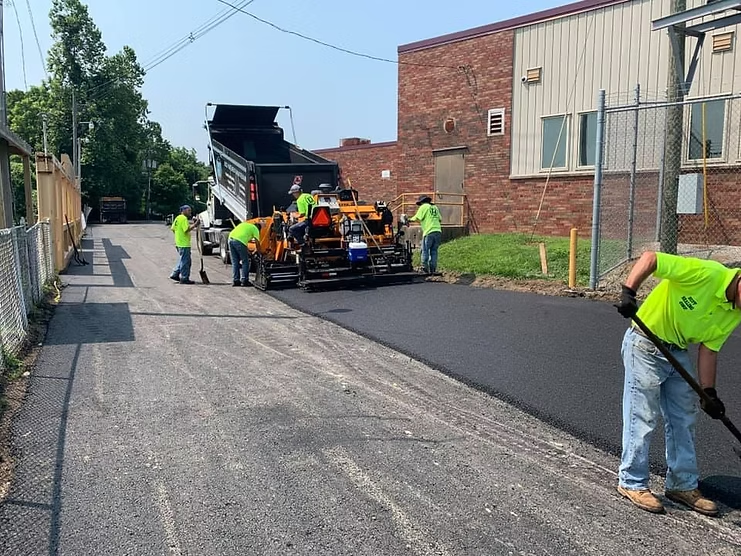
The layers commonly used in the construction of an asphalt pavement include the subgrade, subbase, base course, and surface course. The subgrade is the native soil beneath the pavement, which should be properly compacted and graded to ensure stability. The subbase layer, placed on top of the subgrade, helps distribute the load of the pavement and improve its overall durability. The base course layer, made of hot mix asphalt with large aggregate for additional strength, serves as the foundation for the pavement structure. Finally, the surface course layer, composed of smaller aggregate and a binder material, is the topmost layer of the pavement that provides smoothness, texture, and skid resistance. Together, these layers form pavement suitable for various applications, such as roads, parking lots, and athletic tracks.

A Sustainable Solution
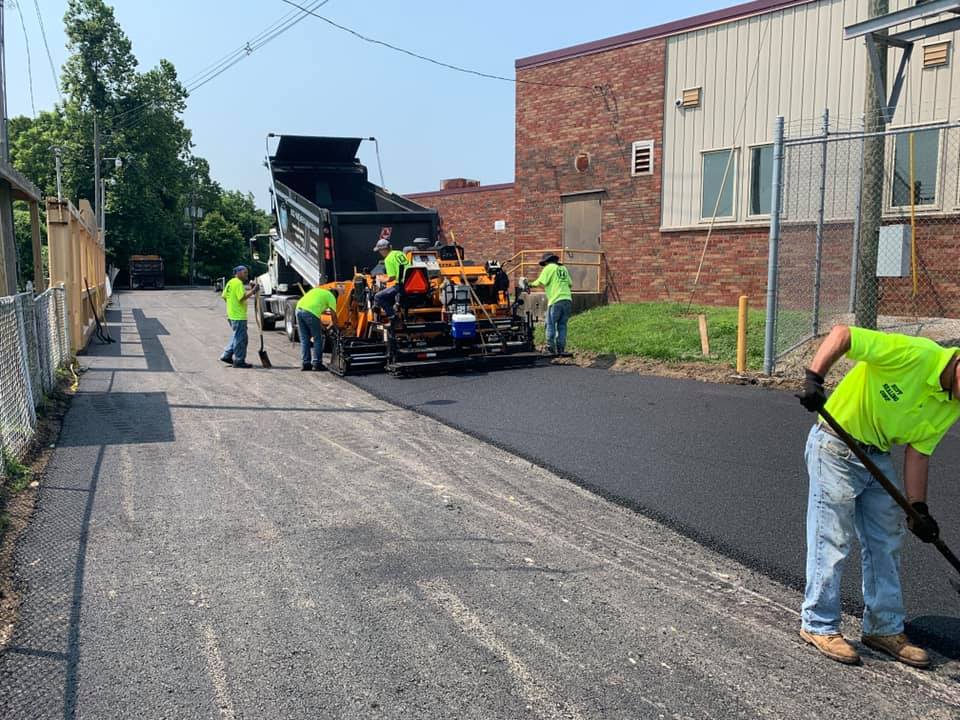
Asphalt paving is an affordable and cost-effective option for many construction projects. One reason for this is the abundance of raw materials required to produce asphalt, such as sand, gravel, and bitumen, which are readily available and inexpensive. Additionally, the paving process itself is relatively quick and straightforward, requiring minimal labor and equipment, which translates into lower costs for the consumer. These factors make asphalt paving an attractive choice for both small and large-scale projects, including roads, parking lots, and even athletic surfaces.
Another significant advantage of asphalt paving is its sustainability. Asphalt is a recyclable material, and most asphalt used in paving projects is recycled from old pavement. This means that new asphalt can be produced using a high percentage of recycled material, which helps to conserve natural resources and reduce waste.
Furthermore, the energy required to produce asphalt is lower compared to other paving materials, such as concrete. This makes asphalt paving a more sustainable choice for the environment, as well as an affordable option for consumers. Overall, the affordability and sustainability of asphalt paving make it an excellent choice for construction projects of all sizes. With its low cost, ease of installation, and recyclable properties, asphalt paving provides consumers with a cost-effective and eco-friendly alternative to traditional paving materials. As the demand for environmentally conscious construction practices continues to rise, asphalt paving remains a leading solution for those seeking a durable and sustainable paving option.
Asphalt Vs. Concrete
Asphalt
Cost-Effective & Flexible
- More affordable than concrete, especially for large commercial areas
- Requires less preparation time and fewer materials
- Faster installation, minimizing downtime for businesses
- Flexible surface that adapts well to ground movement and settling
- Dark color absorbs heat, helping snow and ice melt faster in colder climates
- Sustainable option: fully recyclable and can include reused materials like tires and shingles
- Porous nature allows better drainage, reducing stormwater runoff
Concrete
Strong & Long-Lasting
- Higher upfront cost compared to asphalt
- Requires more preparation, time, and materials during installation
- Rigid surface that may crack over time with ground movement
- Lighter color reflects heat, staying cooler in warmer climates
- Long lifespan with proper installation and maintenance
- Lower recycling flexibility compared to asphalt
- Less porous, which can lead to increased runoff without proper drainage systems
Types of Asphalt Maintenance
Regular cleaning
Dirt, debris, and other materials can accumulate on the surface of an asphalt parking lot over time. Regular cleaning helps prevent these materials from accumulating and causing damage to the asphalt.
Crack sealing
Cracks in the surface of an asphalt parking lot can be filled with a special sealant to prevent water from seeping in and causing further damage. This is an important part of asphalt parking lot maintenance as it can prevent larger, more expensive repairs in the future.
Sealcoating
Sealcoating involves applying a protective layer of sealant to the surface of an asphalt parking lot to help prevent damage from the elements. It can help prolong the life of the asphalt and enhance appearances.
Regular inspections
Regular inspections can help identify any issues with an asphalt parking lot before they become more serious. Inspectors will look for cracks, potholes, drainage issues, and other potential problems.
Resurfacing
Over time, the surface of an asphalt parking lot can become worn down and damaged. Resurfacing involves applying a new layer of asphalt over the existing surface to create a more usable and visually appealing surface.
Patching
For small to medium sized damaged areas, patching can be used to repair and enhance durability and curb-appeal. This involves cutting out the damaged area and replacing it with new asphalt.